Wave Height vs. Swell Period: Why 3 ft @ 4 Seconds Beats You Up
Two days can both forecast 3-foot waves — one feels like glass, the other pounds your hull and soaks your crew. Learn the wave period ratio every coastal captain checks before leaving the inlet.
Wave Height vs. Swell Period: Same 3 ft Height, Totally Different Ride
Hull rides smoothly up and over each rolling crest. Comfortable cruising for most coastal boats.
Bow slams into the next wave before recovering. Heavy spray, jarring ride, and hazardous inlet stacking.
The Number Most Weekend Boaters Ignore
When checking marine weather, almost everyone stops at wave height: "2 to 3 feet? Sounds fine!" Yet wave height alone tells only half the story. The second number — wave period, measured in seconds between consecutive crests — determines whether those waves are long, gentle rollers or steep, stacked-up washing-machine chop.
On Can I Go Boating Today?, we display both wave height and wave period directly on the Hero Verdict instrument card and automatically flag short-period chop for kayaks and boats under 20 feet.
The Simple Captain’s Rule of Thumb (Period ÷ Height)
Divide the wave period (in seconds) by the wave height (in feet). That single ratio instantly predicts ride comfort:
- Ratio 3.5+ (e.g., 3 ft @ 11 seconds): Smooth long-period groundswell. Comfortable cruising for most coastal hulls.
- Ratio 2.0 to 3.4 (e.g., 3 ft @ 7 seconds): Moderate coastal seas. Expect spray and slower cruising speeds in boats under 22 ft.
- Ratio under 2.0 (e.g., 3 ft @ 4–5 seconds): Steep wind chop. Short, closely spaced waves that pound flat hulls and make inlets hazardous.
Watch Out for Wind-Against-Tide at Coastal Inlets
Even a modest 2-foot swell steepens dramatically at an outgoing (ebb) inlet when onshore wind blows directly against rushing water. Spots like Jupiter Inlet, Boca Grande Pass, and Oregon’s Columbia River Bar can stack waves to double their offshore height during peak ebb.
Recommended Picks for This Guide
Curated coastal gear & charters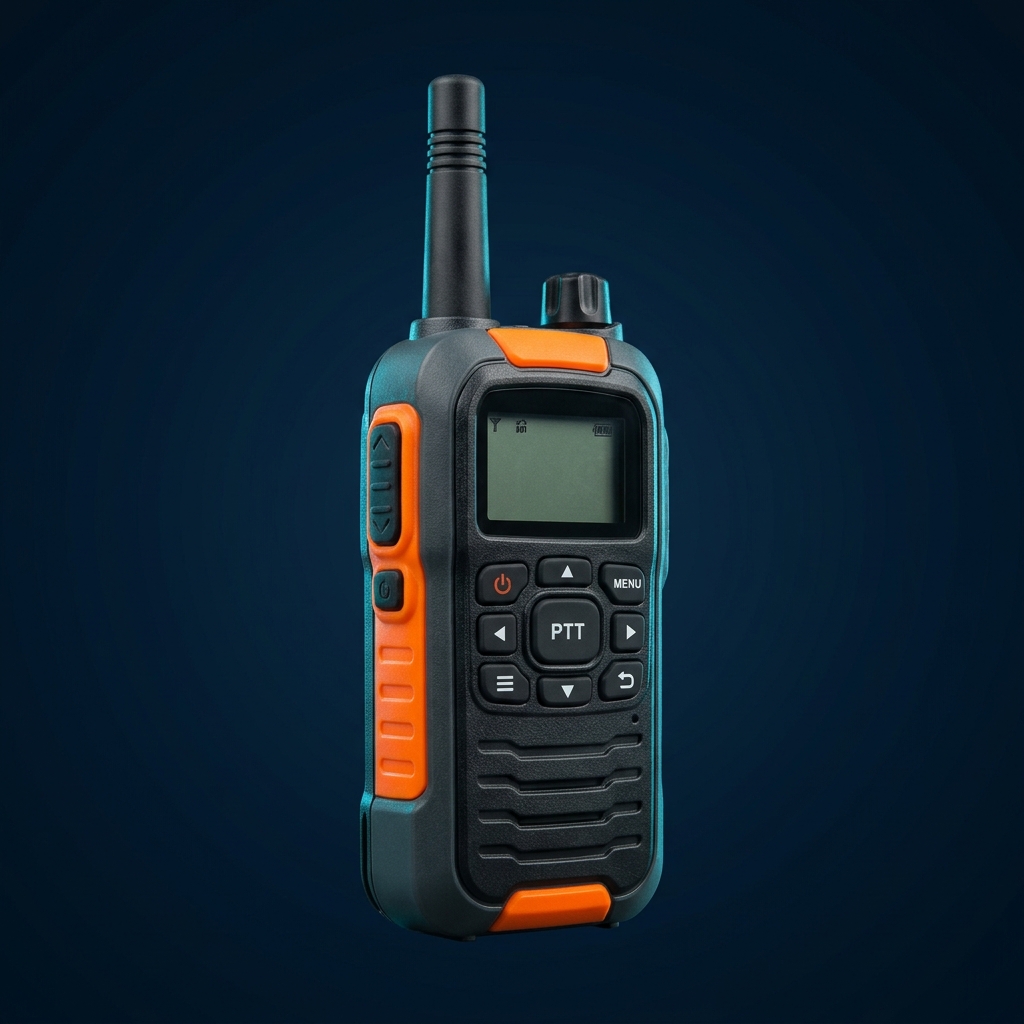
Floating Waterproof Handheld Marine VHF Radio
Monitor NOAA marine weather & inlet advisories underway
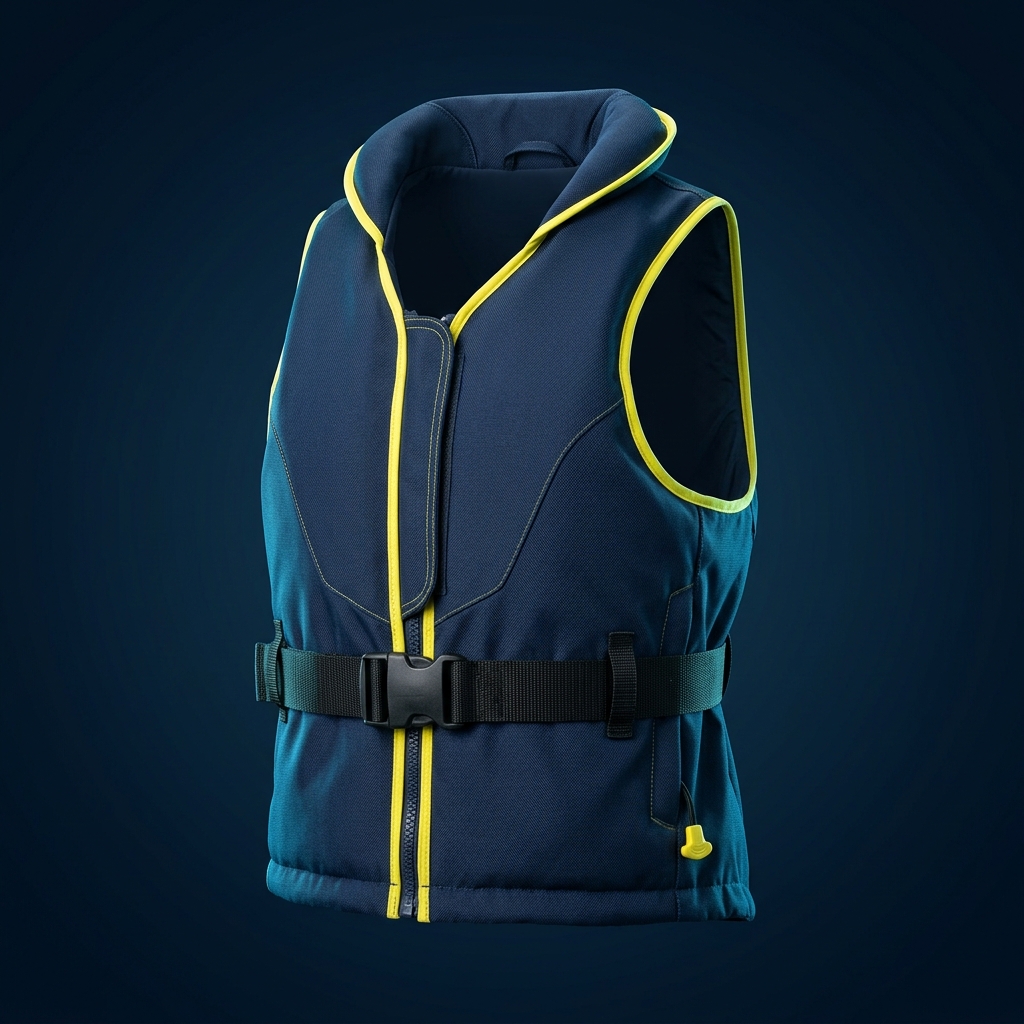
Automatic Inflatable USCG Type V/III Life Vest
Low-profile PFD built for choppy coastal inlet transits
Disclosure: As an Amazon Associate I earn from qualifying purchases. We may also earn a small commission at no extra cost to you if you book a boat tour or charter through Viator, Boatsetter, or GetMyBoat links.
Ready to check live wind, waves & NOAA tides?
Get an instant 0–100 Boatability Score and GO / CAUTION / NO-GO verdict for your vessel.
Live Forecasts Mentioned in This Guide